
Pathiri: the thin rice bread of Kerala's Malabar coast, explained
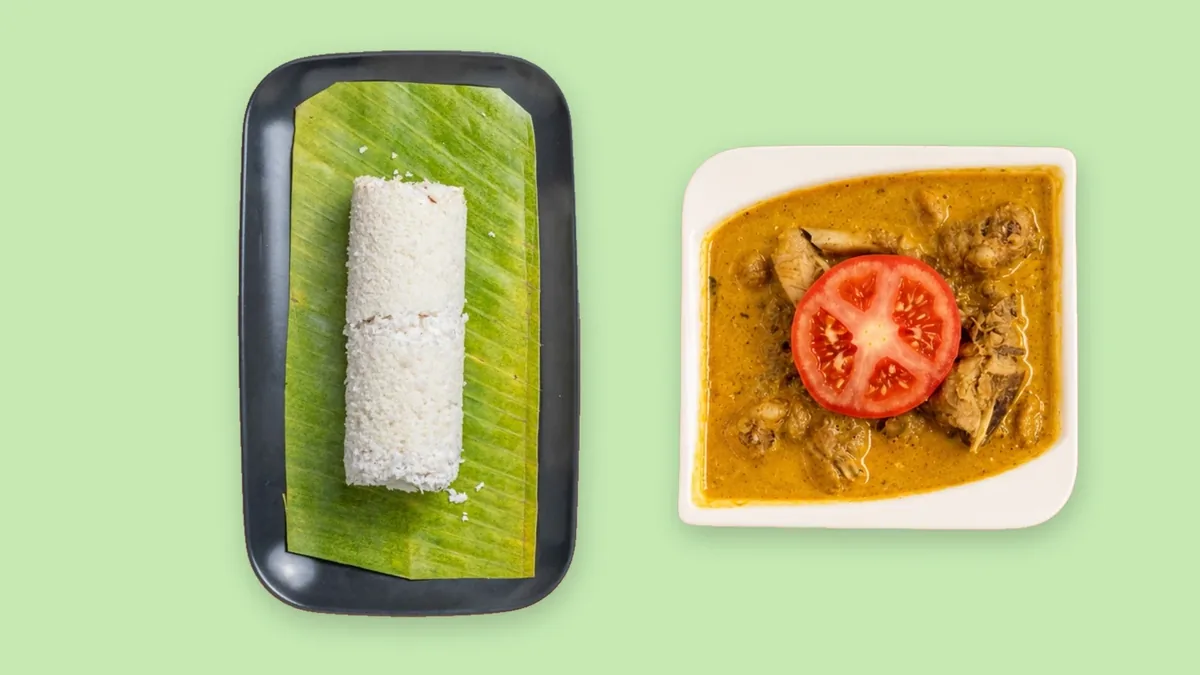
If porotta is Kerala's flaky show-off, pathiri is its quiet, soft counterpart. It is a thin round bread made from rice flour, and in the kitchens of Kerala's Malabar coast it has been the everyday partner of curry for generations. If you have never tried it, this is what you need to know before you order.
What is pathiri?
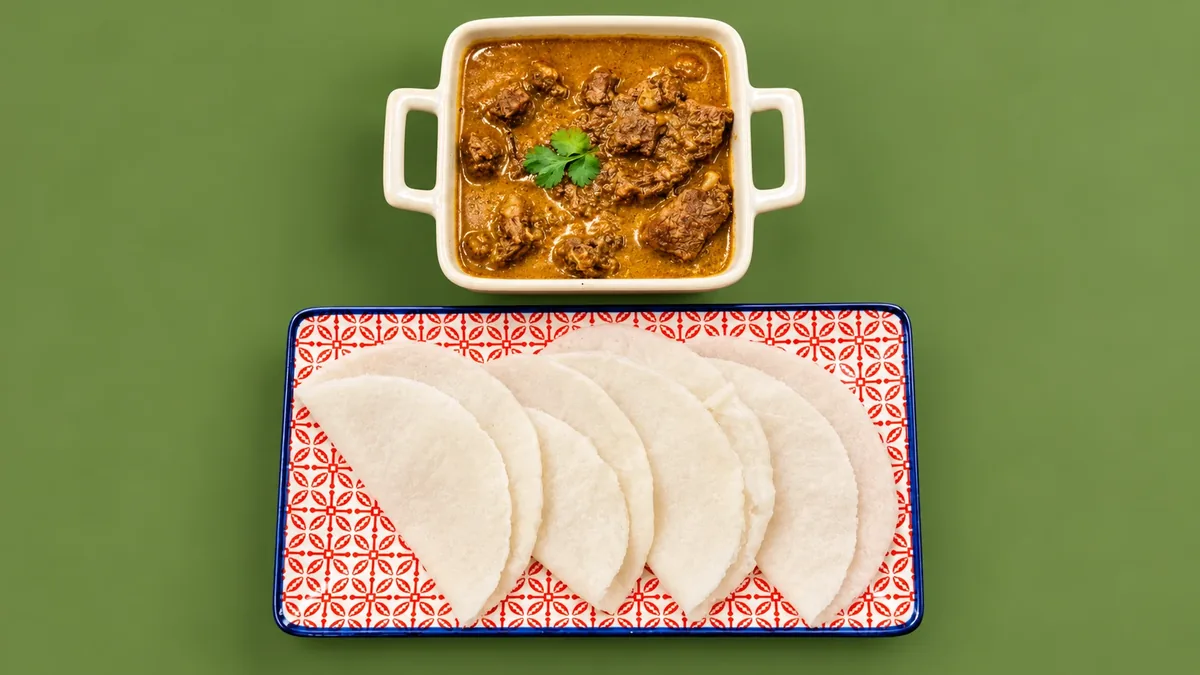
Pathiri belongs to the Mappila cooking of Malabar, the northern part of Kerala around Kozhikode (Calicut) and Malappuram. It is made from just a few things: rice flour, hot water, salt and often a little grated coconut. There is no wheat flour in it.
The dough is scalded with hot water, kneaded while it is still warm, rolled out into thin rounds and cooked briefly on a hot griddle. The result is soft, slightly chewy and mild on purpose. It does not compete with the dish next to it. It is there to carry it.
How pathiri is eaten
You tear it, fold it, and use it like a spoon. In a Kerala home or a Malabar restaurant, pathiri arrives with:
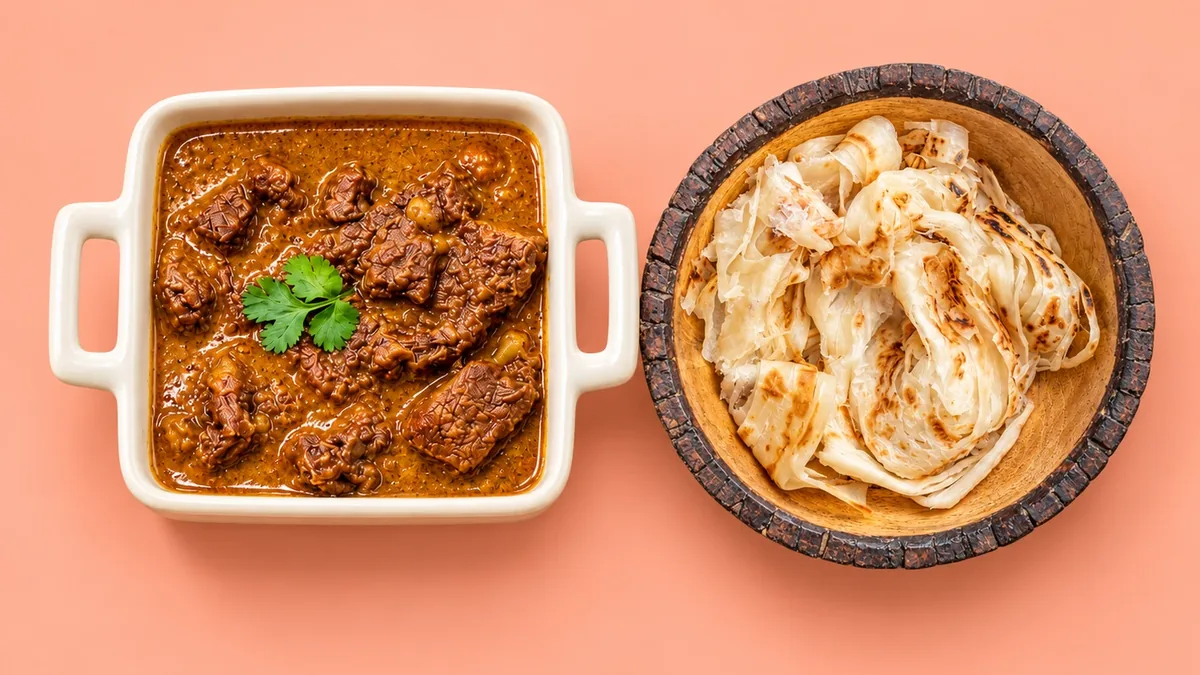
- Beef curry, dark and rich with pepper, fennel and coconut, the most famous pairing.
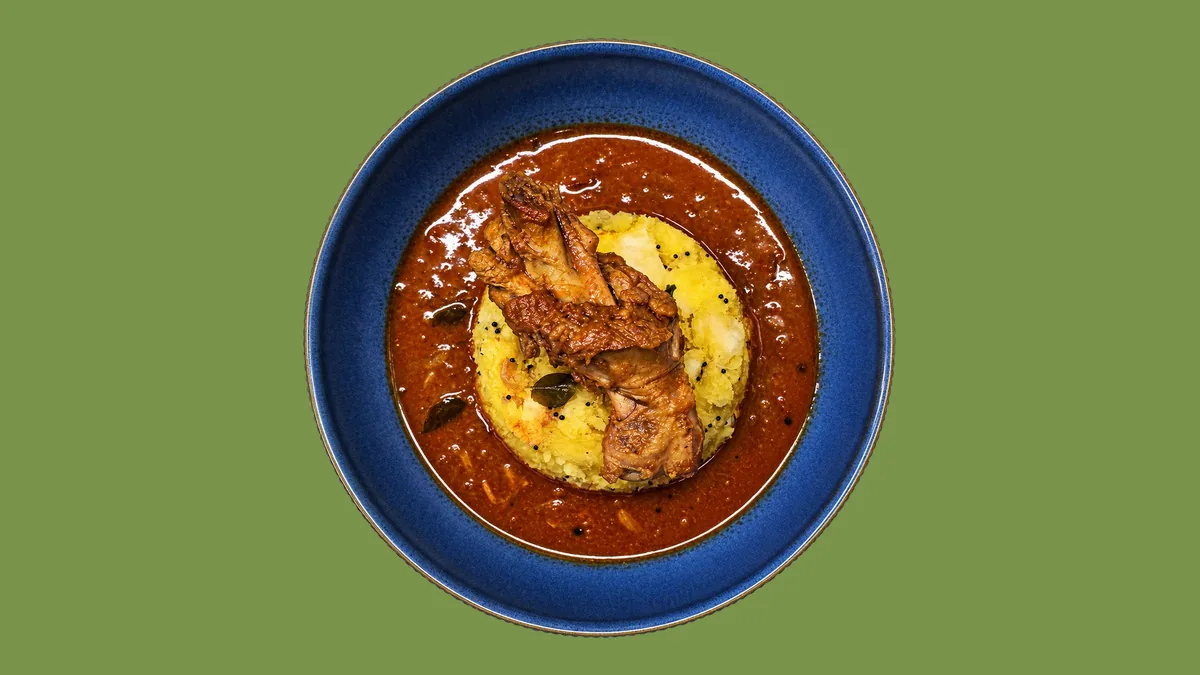
- Chicken curry, often on the bone, in a lighter, fragrant sauce with coconut milk, curry leaves and tomato.
- Kadala curry, the black-chickpea gravy that works without any meat.
- Vegetable kuruma, a mild coconut stew of carrot, beans, potato and peas.
Pathiri is also closely linked to Ramadan. In Malabar it is part of the long table when the fast is broken at sunset, next to curries, snacks and sweets. A richer version, ney pathiri, is made with ghee.
Pathiri, porotta and appam: what is the difference?
All three are Kerala breads, and they are easy to mix up:
- Porotta is made from wheat flour and rolled and folded into many flaky layers. Crisp outside, soft inside, made for tearing. We wrote a whole guide: porotta and beef roast, explained.
- Pathiri is made from rice flour, thin, soft and flat. No layers.
- Appam is a lacy pancake made from fermented rice batter, crisp at the edge and soft in the middle.
One more name to avoid confusion: chatti pathiri is a completely different dish, a layered pastry-like dessert or snack from the same region. It is not what you get when you order pathiri with curry.
What to order at kokoland
Our menu changes with the kitchen, so look at today's menu to see what is available. Pathiri combinations are a regular feature, for example pathiri with beef curry, pathiri with chicken curry (with bone), pathiri with kadala curry or with vegetable kuruma. Everything is cooked fresh to order, so allow around 25 to 30 minutes if you order ahead for pickup.
How to enjoy it
- Use your hands. Tear a piece of pathiri, fold it around some curry and eat it in one go.
- Do not wait. Pathiri is best soft and warm.
- Try it with the curry you would normally skip. The plain bread makes spices easier to taste.
Frequently asked questions
Is pathiri vegan? The bread itself is made from rice flour, water, salt and often coconut, so it is plant-based. Some versions use ghee, and the curry you choose matters too. Tell us you want it vegan and we will tell you honestly what works that day.
Is pathiri gluten-free? Rice flour contains no wheat. But we also cook with wheat flour (for porotta) in the same kitchen, so we cannot promise it is free from traces. If you have coeliac disease, please ask us first.
Is pathiri spicy? The bread is not spicy at all. The heat depends on the curry. Tell us how hot you like it.
Where does pathiri come from? From the Malabar coast in the north of Kerala, and the Mappila (Muslim) cooking tradition there.
Come and try it
We are in Berlin-Friedrichshain, Petersburger Str. 39, 10249 Berlin, open Tuesday to Sunday from 12:00 to 22:00. Reserve a table, or pre-order for pickup so everything is ready when you arrive. New to Kerala food? Start with what is Kerala food?.